Unearthing the Charm of Vintage Pattern Digital Papers
There's a certain magic in the textures of the past—a depth and character that modern, flat graphics often struggle to replicate. For designers, crafters, and content creators looking to inject that timeless appeal into their work, the right design assets are crucial. This is where a thoughtfully curated set of Vintage Pattern Digital Papers becomes more than just a download; it's a foundational tool for building mood, narrative, and tactile interest across countless projects.
The Anatomy of a Vintage Aesthetic
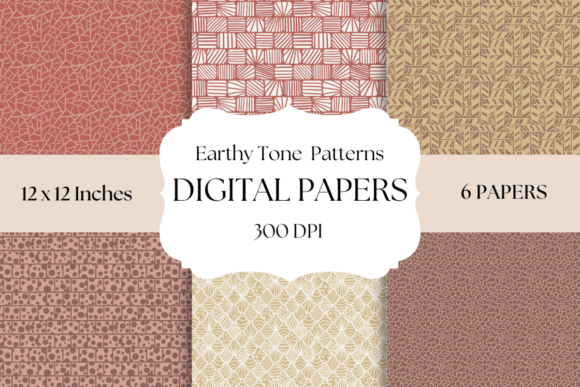
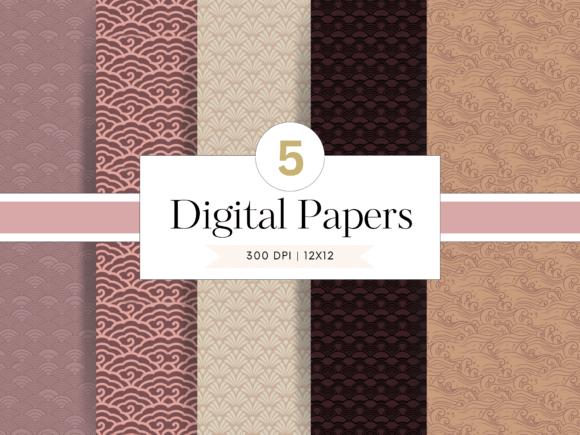
This digital paper pack is built on a simple, powerful premise: elegance through repetition. The five coordinating patterns are designed to work in harmony, offering a palette of visual textures that feel both sophisticated and lived-in. Think of the subtle, intricate motifs found on antique wallpaper, the gentle wear on a well-loved book cover, or the detailed linework of historical engravings. These papers capture that essence without being literal replicas. The "vintage-inspired feel" comes from a combination of muted, period-appropriate color harmonies, careful line weight, and patterns that suggest age and quality. They are not loud or overly distressed; instead, they offer a quiet, confident background that supports your primary content.
The technical specifications—12” x 12” at 300 DPI in JPEG format—are the standard for high-quality print and digital work. This resolution ensures your designs remain crisp whether you're printing a small tag or scaling the pattern for a large poster. The JPEG format, while lossy, is universally compatible and handles the subtle color gradients and textures of these patterns efficiently, making them easy to use in any software from Adobe Photoshop to Canva.
Practical Applications: From Journal Pages to Brand Collateral
The true value of these Vintage Pattern Digital Papers lies in their versatility. They are not a one-trick asset. For the hobbyist and crafter, they are immediately useful as journal backgrounds for junk journals, providing instant depth to a page. Print them to create custom envelopes, tags, and pockets. Use them as master boards for collage, layering other elements on top, or as the base for scrapbook pages that tell a story with a cohesive, nostalgic tone.
For the designer, entrepreneur, or marketer, the applications extend into professional realms. These patterns can form the textured background of a social media graphics template, adding a layer of sophistication that stands out in a feed of flat colors. In packaging design, they can be used for box liners, sleeve textures, or label backgrounds, instantly communicating a brand story of heritage, craftsmanship, or artisanal quality. For editorial design and publishing, they work beautifully as chapter title page backgrounds or as subtle textures on the margins of a brand identity document.
- Digital Projects: Website hero image backgrounds, email newsletter headers, digital product mockups, and podcast cover art.
- Print Projects: Business cards, letterheads, wedding invitations, book interiors, and menu designs.
- Personal & Commercial Crafts: Printable wall art, greeting card bases, planner stickers, and DIY gift wrap.
The key is to see them as a design asset that sets a stage. They provide the texture and mood; your typography and imagery provide the message.
Integrating Vintage Patterns into a Modern Workflow
Using these papers effectively requires a bit of strategic thinking, much like choosing a premium font. First, consider the project's personality. Is it aiming for warmth and nostalgia? A sense of established authority? Or perhaps a playful, eclectic vibe? The patterns you select from the pack should align with that goal. A finer, more intricate pattern might suit a formal invitation, while a bolder, simpler one could work well for a children's brand.
Next, think about font pairing. A vintage background calls for typography that complements, not competes. A classic serif font often creates a beautiful, cohesive partnership, reinforcing the timeless feel. A clean sans serif font can provide a striking, modern contrast, making the design feel fresh and intentional rather than dated. A script font or handwritten font can add a personal, human touch, perfect for invitations or boutique branding. The goal is to create visual hierarchy where the pattern supports the text, ensuring readability remains paramount. Always test your text over the pattern at its final size to check for clarity.
Finally, respect the licensing. These are commercial font and asset licenses for a reason—they protect your work and the creator's. Ensure the license covers your intended use, whether it's for a client project, a product you sell, or personal enjoyment. Using licensed assets correctly is a hallmark of professionalism and builds a foundation of integrity for your creative business.
In a digital landscape crowded with sterile, generic graphics, Vintage Pattern Digital Papers offer a way to craft work with soul. They are a bridge between the rich history of decorative arts and the dynamic needs of contemporary web design, logo design, and content creation. By incorporating these textures, you’re not just decorating a surface—you’re adding a layer of story and quality that audiences instinctively recognize and appreciate. It’s a subtle but powerful way to enhance brand perception, foster recognition, and create work that feels both authentic and engaging.