Unearthing the Charm of Vintage Wildflower Junk Journal Pages
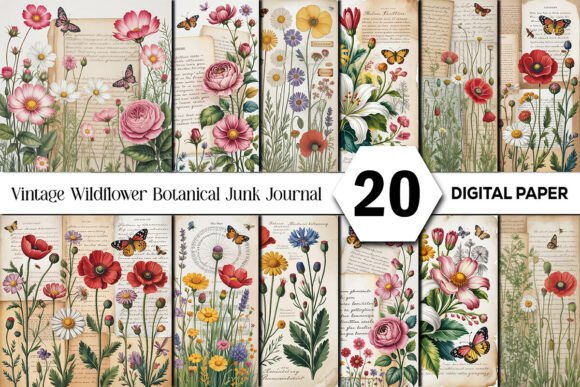
There's a certain magic in objects that carry the whisper of a story—a faded postcard, a pressed flower between the pages of an old book, or a handwritten note on brittle paper. This is the exact sentiment captured within a beautiful set of vintage-style wildflower botanical digital papers. These aren't just backgrounds; they are curated fragments of a bygone era, designed to infuse your creative projects with authenticity and nostalgic warmth. Featuring delicate flowers, fluttering butterflies, and antique handwritten script, this collection offers a versatile foundation for a wide array of artistic endeavors.
The Visual Soul: More Than Just a Pretty Background
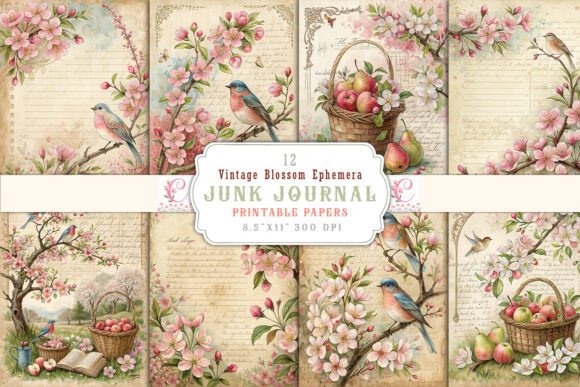
What defines the personality of these Vintage Wildflower Junk Journal Pages? It's a harmonious blend of organic illustration and aged texture. The visual style leans into a muted, earthy color palette, where soft sage greens, dusty rose pinks, and creamy off-whites dominate. This isn't about vibrant, modern florals; it's about the subtle beauty of a faded garden. The botanical elements are rendered with a delicate, hand-drawn quality, avoiding harsh lines for a softer, more organic feel. You'll notice the texture of aged paper, perhaps with slight foxing or a gentle patina, which adds immense depth and realism. The handwritten backgrounds are particularly compelling, offering fragments of cursive script that feel personal and intimate, as if lifted from a private journal or a century-old letter.
This combination creates a distinct style that is both romantic and grounded. It appeals to those who appreciate the imperfect beauty of handmade items and the rich history embedded in vintage ephemera. The overall aesthetic is one of quiet sophistication and timeless elegance, making it a powerful design asset for projects that aim to connect on an emotional level.
Where This Collection Truly Shines: Practical Applications
The utility of such a versatile set extends far beyond a single craft. As a collection of high-resolution, 300 DPI JPGs sized at 12x12 inches, the files are robust enough for both digital and physical projects. Here’s how different creatives can leverage them:
- For Crafters and Hobbyists: This is the core audience. Use them as foundational layers for junk journals, scrapbook layouts, and collage art. They are perfect for creating card making backgrounds, decoupage projects, or even custom envelope liners. The instant download format means you can start your project immediately.
- For Graphic Designers and Brand Strategists: In the world of brand identity, these pages can establish a distinct mood. They are ideal for businesses in the wedding industry, artisanal goods, boutique florists, or any brand seeking a handcrafted, authentic feel. Use them as website backgrounds, social media post templates, or within packaging design to tell a cohesive visual story.
- For Digital Marketers and Content Creators: Break through the digital noise with visuals that feel organic and human. These backgrounds can transform social media graphics, blog post headers, and email newsletter designs. They provide a sophisticated, non-generic canvas that helps your content stand out and feel more premium.
- For Publishers and Authors: Consider these for editorial design elements. They can serve as chapter dividers, page backgrounds for poetry collections, or cover art components for historical fiction, memoirs, or lifestyle books. The vintage aesthetic immediately sets a specific tone and genre expectation.
The commercial use license is a significant advantage, allowing small business owners and entrepreneurs to incorporate these designs into products they sell, from printed invitations to digital planner kits, without licensing headaches.
Integrating Vintage Florals into Modern Design Systems
Successfully incorporating a strong thematic element like Vintage Wildflower Junk Journal Pages requires a thoughtful approach to maintain balance and professionalism. The goal is to enhance, not overwhelm, your core message.
Font Pairing is Critical: To avoid a cluttered or overly nostalgic look, pair these textured backgrounds with clean, modern typography. A simple sans serif font for body text provides excellent readability and a contemporary counterpoint. For headlines, you could use a classic serif font for elegance, or a subtle script font that complements the handwritten elements without competing. Avoid using highly decorative or additional handwritten fonts on top of the already textured backgrounds.
Establish Visual Hierarchy: Use the more intricate floral patterns sparingly—perhaps as a hero image background or a featured accent. For text-heavy areas, opt for the simpler, more muted backgrounds from the set to ensure your words remain the focal point. This thoughtful layering is key to modern typography and effective layout.
Evaluate for Your Project's Fit: Before committing, ask yourself: Does this aesthetic align with my brand's voice? Is the target audience likely to appreciate this style? For a tech startup, it might be a mismatch. For a life coach, a botanical illustrator, or a vintage clothing store, it could be a perfect fit that strengthens brand perception and audience connection.
Test Thoroughly: Always test your designs across different formats. Check how text renders on a printed card versus a mobile screen. Ensure the background doesn't create visual noise that hinders readability. The high resolution of these files means they will scale well, but your design application of them is what ultimately determines the professional outcome.
Ultimately, this collection is more than a set of pretty papers. It's a toolkit for evoking emotion, telling a story, and adding a layer of sophisticated, handmade charm to any project. By using them strategically, you can create work that feels both deeply personal and professionally polished.