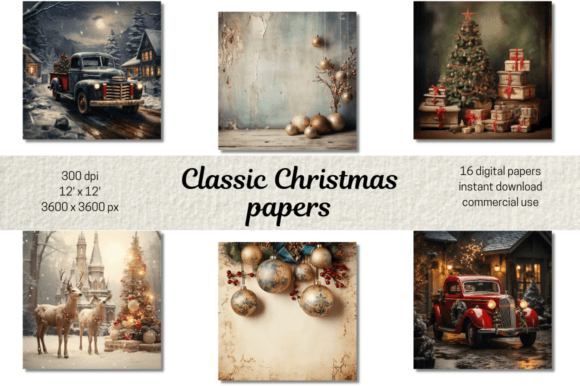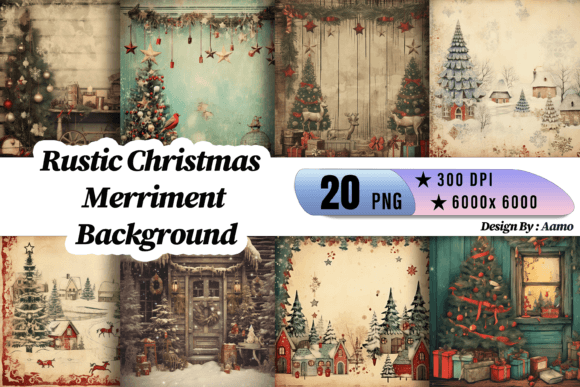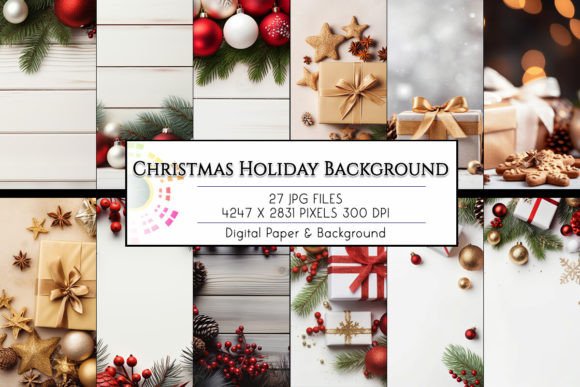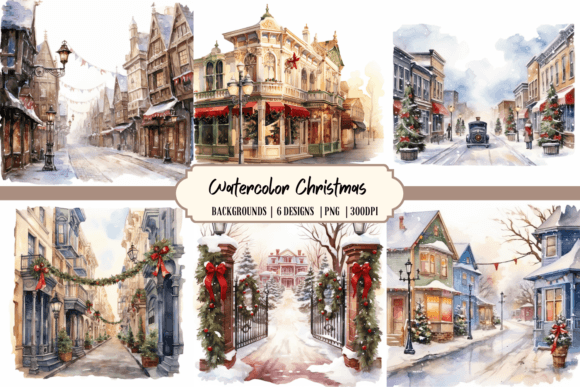
Timeless Holiday Charm: Using Christmas Flower Backgrounds
The holiday season brings a specific kind of visual pressure, especially for designers, marketers, and creators. There is a constant demand for imagery that feels festive but not kitschy, and elegant but not sterile. If you find yourself scrolling through stock libraries looking for that perfect blend of nostalgia and sophistication, the solution might lie in the classics. Specifically, I am talking about the power of a Classic Christmas Flower Card Background. These assets bridge the gap between vintage holiday postcards and modern design trends, offering a rich canvas for everything from brand marketing to personal scrapbooking.
The Visual Language of Festive Florals
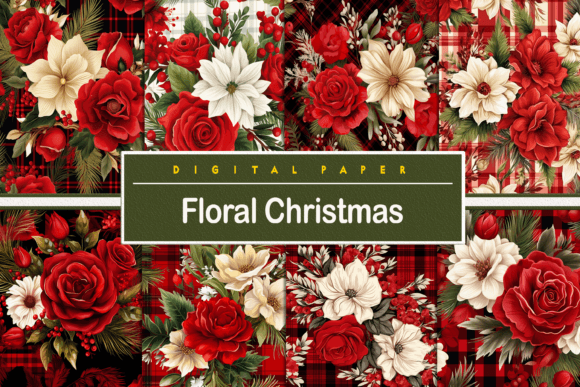
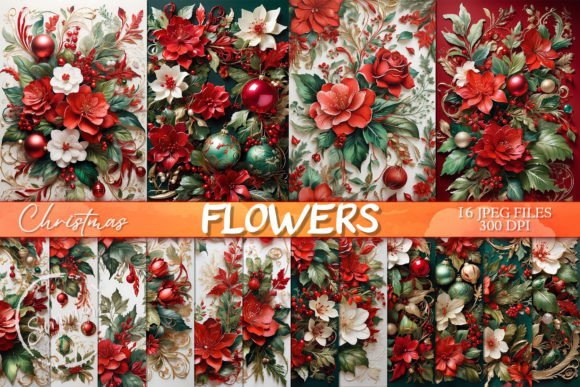
When we talk about a Classic Christmas Flower Cards Background, we aren't just talking about a picture of a poinsettia. We are discussing a specific aesthetic language. These backgrounds typically feature dense, intricate arrangements of traditional holiday flora—think holly, ivy, mistletoe, winter roses, and pine boughs. The visual personality is often warm, textured, and deeply organic.
Unlike the flat, vector-based graphics that dominate modern digital interfaces, these backgrounds often rely on depth and detail. You might see soft watercolor washes that bleed into one another or rich, oil-painting textures that mimic the art of the Victorian era. The color palette usually anchors itself in deep greens and crimsons, accented by gold leaf details or the crisp white of snow. This style creates an atmosphere of "heirloom quality." It signals to the viewer that the content—whether it is a wedding invitation or a holiday sale banner—has been crafted with care and tradition in mind.
Strategic Applications for Modern Creators
As a creative professional, you need assets that work hard. A Classic Christmas Flower Card Background is not just a pretty picture; it is a versatile design asset. Here is how different segments of the industry can leverage these files effectively.
For Branding and Packaging Design
If you are working with a boutique brand, a gourmet food company, or a luxury retailer, these backgrounds are gold. In packaging design, a floral background can wrap a gift box or a candle label, instantly communicating a premium price point. It suggests the product inside is artisanal and high-quality. For brand identity during Q4, using these florals as a texture layer behind your logo or typography can create a seasonal variation of your brand that feels cohesive yet festive.
Editorial and Publishing
Publishers and bloggers understand the struggle of keeping content fresh. Using a Classic Christmas Flower Cards Background as a header image for a holiday recipe blog, a backdrop for a "Gift Guide" feature, or the cover art for a digital holiday magazine adds immediate context. It sets the mood without requiring a long explanation. In editorial design, these images work beautifully as "spot" art—smaller images used to break up text and add visual rhythm to a page layout.
Personal Projects and Crafting
For the hobbyist and the scrapbooker, the value lies in the resolution. When you are working with physical prints, pixelation is the enemy. A high-resolution file (such as the 4096w x 6144h px files often found in these collections) allows you to zoom in on a specific cluster of flowers and print it at 300 DPI without losing clarity. This is perfect for creating custom Christmas cards, photo album backgrounds, or even decoupage projects.
Designing with Depth: Readability and Hierarchy
One of the biggest challenges with ornate backgrounds is ensuring they don't overpower your message. This is where your skills as a designer come into play. Using a Classic Christmas Flower Card Background effectively requires an understanding of visual hierarchy.
Because these backgrounds are often "busy" with detail, you cannot simply place body text over them. Small, sans-serif fonts will get lost in the petals and leaves. Instead, you need to create contrast. Use a bold display font or a heavy serif font for your headlines. These heavier typefaces have the visual weight to stand up to the intricate background.
For body copy, consider placing a semi-transparent overlay between the background and the text. This could be a frosted glass effect, a vellum texture, or a simple solid color block. This technique preserves the beauty of the floral arrangement while ensuring your readability remains high. It is a balancing act: you want the viewer to feel the texture of the flowers, but you need them to read the date and time of the event first.
Selecting the Right Asset
Not all digital backgrounds are created equal. When sourcing a Classic Christmas Flower Cards Background, you need to look beyond the thumbnail preview. Here is a practical checklist for evaluating your purchase or download.
- Resolution and DPI: For print, 72 DPI is useless. You need 300 DPI. Check the pixel dimensions to ensure you can scale the image to the size of your project without upsampling. A file size of 4096w x 6144h px is excellent for large-format printing.
- File Format: JPEGs are standard for backgrounds, but ensure they are high-quality with minimal compression artifacts. Some collections offer PNGs with transparency for specific elements, which is a bonus for layering.
- Color Profile: Be aware of whether the files are in RGB (best for screens/web) or CMYK (best for professional printing). While you can convert them, starting with the right profile saves headaches later.
- Licensing: This is critical for commercial use. If you are a small business owner using these backgrounds on products for sale, or a marketer using them in ads, you must ensure the license permits commercial application. "Personal use only" licenses are common in free bundles, so read the fine print.
Pairing Typography with Tradition
The "Classic" in Classic Christmas Flower Card Background implies a certain era. To maximize the impact, your typography choices should harmonize with that vintage vibe. This doesn't mean you have to use old-fashioned fonts, but a nod to history helps.
Script fonts and handwritten fonts are natural partners here. They mimic the flow of pen on paper, which complements the organic shapes of the flowers. However, be selective. A highly modern, edgy script might clash with a Victorian-style floral. Look for scripts that have a bit of flourish but remain legible.
Alternatively, a clean, modern typography approach can work if you want to create a "Modern Heritage" look. Pairing a sleek sans serif font with a dense floral background creates a high-contrast aesthetic that feels current and trendy. This works particularly well for social media graphics where you want to stop the scroll with a mix of old and new.
Conclusion
The Classic Christmas Flower Card Background is more than just seasonal decor; it is a strategic design tool. Whether you are building a brand's holiday campaign, designing a wedding invitation for a winter ceremony, or creating a scrapbook for your family, these backgrounds provide a foundation of warmth and elegance. By focusing on high-resolution assets, ensuring proper licensing, and mastering the art of contrast and typography, you can transform a simple digital file into a powerful piece of visual communication. Don't just decorate—curate an experience.