Embracing Cozy Textures: The Folk Lace Digital Paper Collection
There is a distinct shift happening in the design world, moving away from stark minimalism toward something warmer, more tactile, and deeply personal. We are seeing a resurgence of "cottagecore" aesthetics and heritage crafts influencing everything from brand identity to editorial design. In this landscape, texture is king, but finding design assets that feel authentic rather than digitally manufactured can be a challenge. This is where the Folk Lace Digital Papers collection steps in, offering a bridge between traditional needlecraft and modern digital creation.
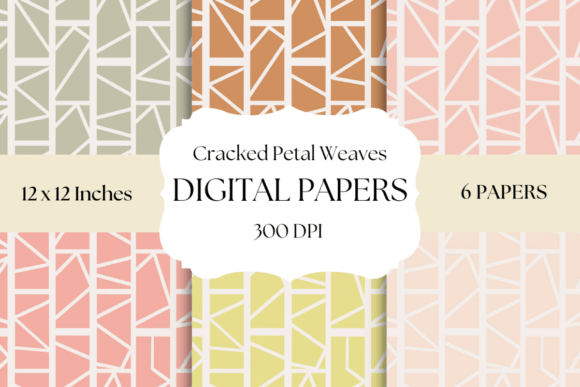
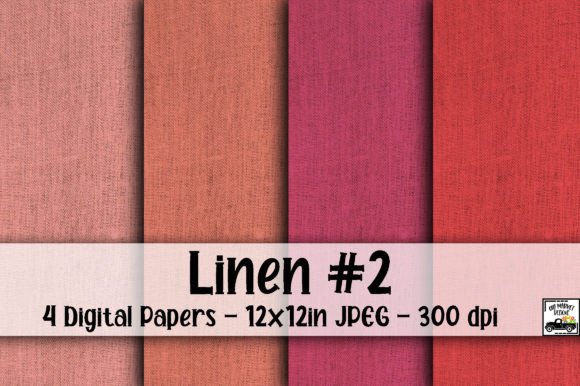
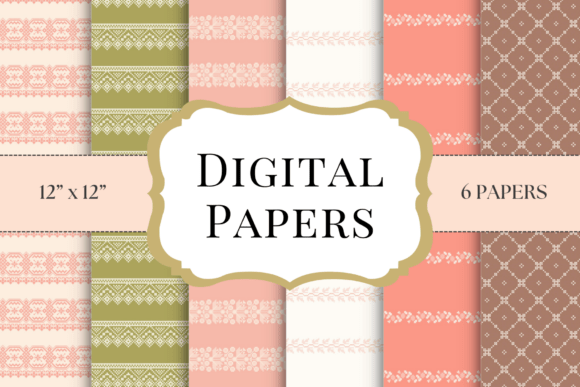
At first glance, this collection feels like opening a grandmother’s linen closet, but with a refined, contemporary palette. The set includes six coordinating background papers sized at 12” x 12” and 300 DPI, ensuring they are print-ready and high-resolution. The color story is carefully curated, featuring soft blush pinks, sage greens, warm creams, peach, and neutral browns. These aren't just flat colors; they are woven into intricate patterns that mimic stitched, lace, and knit styles. The visual personality is undeniably "cozy," but it carries a sophistication that prevents it from looking childish. It is a premium font equivalent in the paper world—polished, intentional, and versatile.
Visual Personality and Style Characteristics
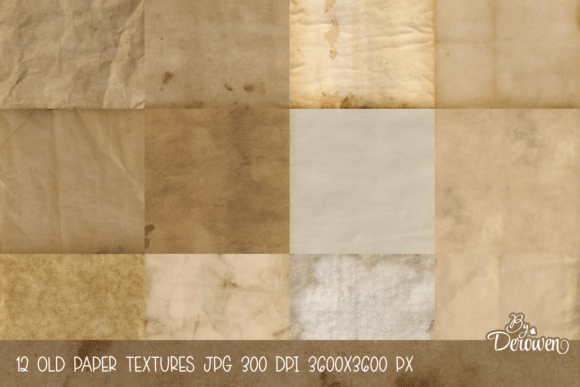
Understanding the visual language of Folk Lace Digital Papers is key to using them effectively. The aesthetic leans heavily into the "maker" movement. The textures simulate the look of hand-knitted sweaters, delicate doilies, and cross-stitch embroidery. This creates a sense of handmade authenticity that resonates deeply with audiences tired of sterile, corporate visuals.
However, the patterns are designed to be supportive, not dominating. They function similarly to a subtle serif font or a textured sans serif font in typography—they provide structure and warmth without stealing focus from the foreground content. The repeating nature of the lace and knit patterns adds rhythm to a layout. When you place a photo or a block of text over these backgrounds, the eye perceives depth. The soft blush and sage tones are particularly effective because they act as neutrals; they provide color interest but remain gentle enough to ensure high readability for overlaid elements. This makes the collection an excellent alternative to standard solid-color design assets.
Strategic Applications for Branding and Marketing
For marketers, entrepreneurs, and small business owners, the challenge often lies in humanizing a digital product. If you sell handmade goods, wellness products, or vintage items, your visual brand identity needs to feel approachable. Folk Lace Digital Papers are incredibly effective here. Imagine using a sage green lace texture as the background for an Instagram Story promoting a new product launch. It immediately signals "handmade" and "careful craftsmanship" without a single word.
In packaging design, these textures can serve as the foundation for labels or tissue paper prints. A bakery, for instance, could use the warm cream knit pattern to wrap pastry boxes, creating a tactile experience for the customer. For content creators and bloggers, these papers solve the perpetual problem of "visual noise." They are perfect for creating master boards—collaging various elements onto a textured background to create a cohesive image for a Pinterest pin or a web design hero banner.
Furthermore, consider the realm of editorial design. If you are designing a digital magazine or a lead magnet PDF, using these papers as chapter dividers or sidebar backgrounds can break up the monotony of text-heavy pages. It adds a layer of professionalism and thoughtfulness that readers appreciate, even subconsciously.
Practical Guide to Integrating Folk Lace into Your Workflow
Adopting new design assets requires a practical strategy to ensure they enhance rather than clutter your work. The first step is evaluating the "weight" of the pattern. Because the Folk Lace patterns are intricate, they pair best with clean typography. If you are overlaying text, avoid script fonts or highly decorative display fonts. Instead, opt for a bold, geometric sans serif font or a clean, modern serif font. The contrast between the organic, handmade texture of the lace and the structured geometry of the text creates a compelling visual hierarchy.
Here are a few practical ways to test and utilize these papers:
- Opacity Adjustments: If the texture feels too strong for your social media graphics, try reducing the opacity of the paper layer to 50%. This gives you a hint of the knit or lace structure while keeping the background light enough for heavy text overlays.
- Color Blocking: Use the papers as "swatches" in a larger layout. For example, in a web design mockup, use the peach lace pattern for the footer and the neutral brown for the header to frame the content.
- Ephemera Creation: If you are a crafter or scrapbooker, use these digital files to print your own envelopes, pockets, and tags. The 300 DPI quality ensures that even when you scale them down for small tags, the stitching details remain crisp.
The Role of Texture in Modern Typography and Layout
In the context of modern typography, texture is often the missing ingredient that turns a flat layout into an experience. When we talk about font pairing, we usually discuss the relationship between a headline font and a body copy font. However, the relationship between the text and the background is equally vital. Folk Lace Digital Papers act as a grounding element. They provide a "canvas" that has life and movement.
This is particularly important for logo design presentations or brand mood boards. Showing a creative font or a new typeface on a stark white background can feel clinical. Placing that same typography on a warm, textured lace background helps the client visualize the "vibe" of the brand. It evokes a feeling of comfort, nostalgia, and reliability—traits that are highly valuable in today’s fast-paced digital economy.
Whether you are a hobbyist working on a junk journal, a publisher designing a book cover, or a designer curating a mood board, the versatility of this collection allows you to adapt the files to your specific needs. They are not just decorative papers; they are foundational tools for storytelling. By incorporating the Folk Lace Digital Papers into your library, you equip yourself with assets that bring warmth, texture, and a distinct, human touch to any project.